About Hluma Roots
Established in 2025 as a wholly-owned social enterprise subsidiary of Seriti Institute NPC, rooted in community development and sustainable growth.
Our Story
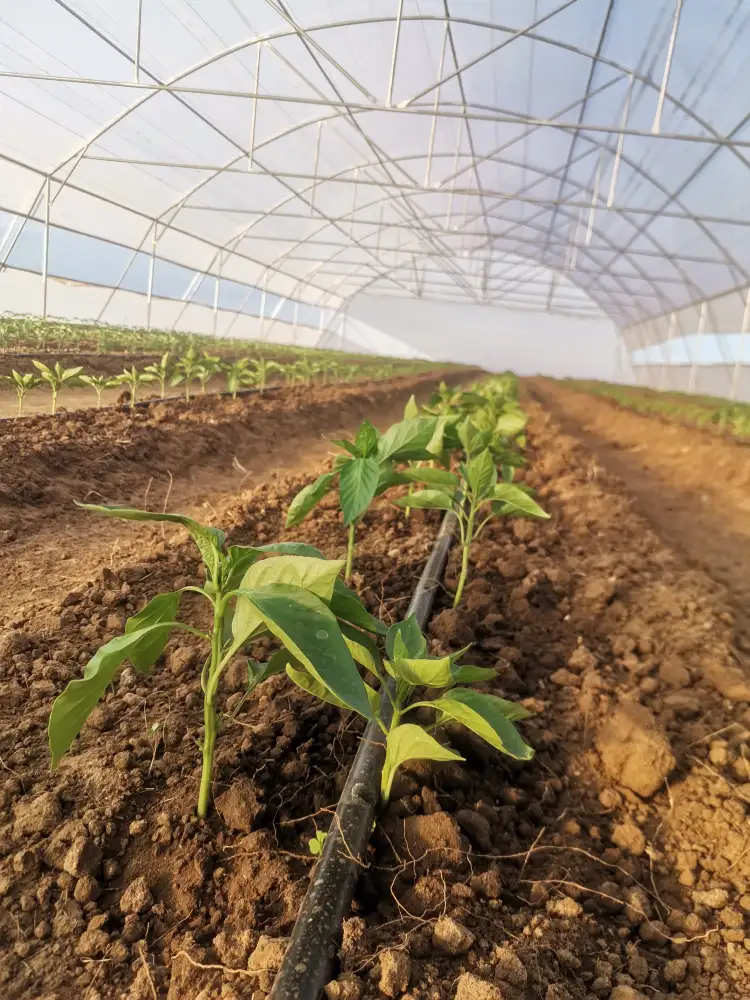
The name Hluma, meaning “to sprout or blossom” in Nguni, reflects our spirit of growth, regeneration, and rooted community development. Hluma Roots is a farmer-focused aggregator that connects local producers to retail, institutional, and community markets. We specialise in vegetable production, agro-processing, and market aggregation, creating sustainable income streams for smallholder farmers.
Our operations extend across physical production hubs and the Community Fresh App – a digital marketplace connecting farmers to consumers, retailers, and institutions.

Our Core Services
We acts as aggregators to support all the farmers who have graduated and started their own businesses.
Measuring Our Impact
Creating sustainable change through measurable outcomes that benefit farmers, communities, and the environment.
Monitoring & Evaluation
Our M&E system tracks farmer income improvements, environmental metrics, participation rates, and aligns with Seriti’s organisational MEL framework to ensure transparency and accountability.

Strategic Locations
Hluma Roots operates from agricultural sites (known as Multi-Functional Agri-Nodes) that are owned and managed by Seriti Institute NPC. As part of its sustainability strategy, Seriti allocates portions of land and infrastructure at selected nodes for Hluma Roots to use for commercial agro-processing and market-facing activities. This arrangement enables Hluma to generate income while reinvesting a portion of its profits and services back into the node ecosystem — supporting farmer development, job creation, and local food systems.
Hluma’s presence at these nodes is governed by a facilities-use agreement and aligned with Seriti’s broader development mandate. This ensures transparency, arms-length management, and responsible use of community assets.
Standerton
Primary agro-processing hub, aggregation centre, and retail outlet serving as our main operational base.
- Agro-processing hub
- Aggregation centre
- Retail outlet
- Distribution center
Deelpan
Dual-function site combining production and processing capabilities with local retail presence.
- Production facility
- Processing center
- Local retail outlet
- Community engagement
Modimolle
Emerging production site for key vegetable crops, expanding our agricultural footprint.
- Crop production
- Market expansion
- Local partnerships
- Growth potential
Strategic Partners