Climate-Smart Systems: Ensuring Regeneration and Resilience

Environmental stewardship is a core aspect of Hluma Roots’ operations

We integrate climate-smart agriculture and green practices into nearly all activities.

The name Hluma itself, meaning “to sprout or blossom” in Nguni, reflects our spirit of regeneration. Our purpose is to build vibrant, climate-smart local food systems across South Africa. We are committed to adopting sustainable practices that protect our natural resources, ensuring the long-term viability of farming enterprises.

Our Environmental Philosophy: Stewardship and Regeneration

Hluma Roots integrates green practices to ensure that farming systems are viable, resilient, and sustainable. We take a hands-on approach to protecting resources and minimizing negative environmental impact:

  • Regenerative Focus: Our commitment is rooted in regeneration. We manage operations to protect natural resources.

  • Harmful Inputs: We actively limit the use of harmful inputs that pose a risk to the environment.

  • Tracking Impact: We track key environmental metrics as part of our monitoring and evaluation (M&E) framework, including waste reduction, compost use, and the application of organic inputs.

  • Brand Integrity: Sustainable practices are highlighted on packaging and our digital platform to promote trust and transparency.

Climate-Smart Agriculture in Practice

Hluma Roots integrates climate-smart agriculture and green practices into most operations. We are committed to green and sustainable practices that protect our natural resources. This includes:

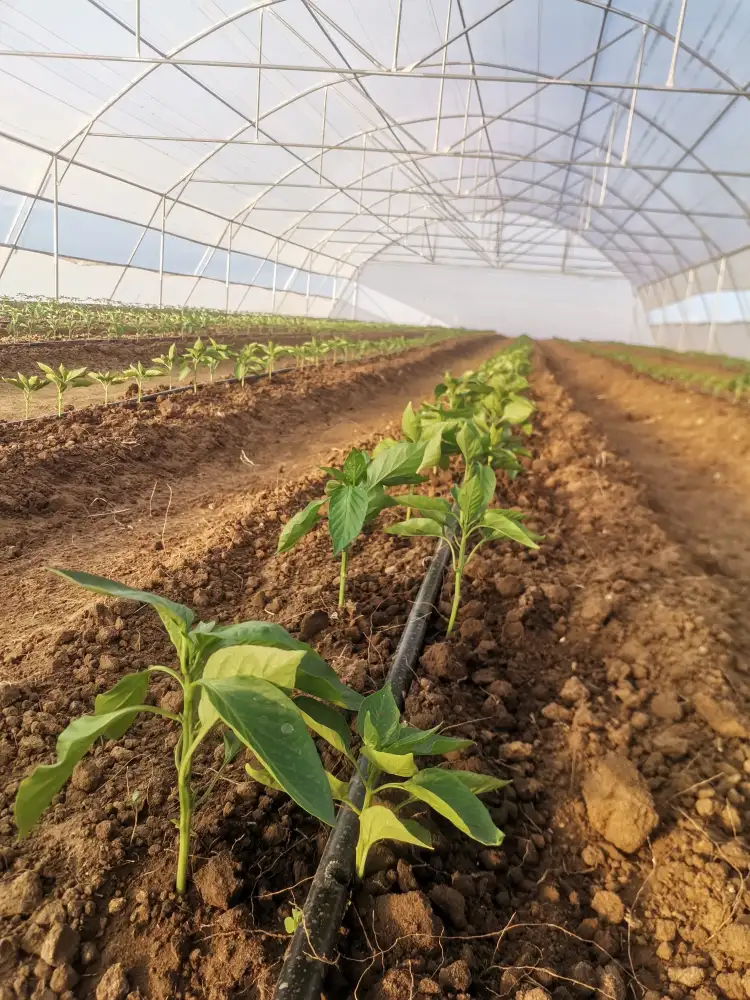
  • Improving Soil Health: Using animal manure and producing our own organic inputs.

  • Reducing Chemical Use: Limiting the use of harmful inputs that pose a risk to the environment.

  • Conserving Water: Employing efficient irrigation methods to reduce water wastage.

  • Future-Focused Innovation: We have plans to incorporate solar-powered drying facilities and low-emission logistics systems into our model.

  • Environmental Hub: Plans include establishing an Environmental hub focused on organic products such as compost production, along with packaging and branding activities.

Beyond the Farm: Building Resilient, Sustainable Supply Chains

Our vision for environmental sustainability extends beyond cultivation activities and is crucial for achieving our mission of enabling farmers to become bankable and competitive. By promoting green practices, we support resilient local food systems and improve community livelihoods.

We empower a network of growers by:

  • Providing Organic Resources: Hluma Roots plans to use its dedicated Environmental hub to provide high-quality organic products like compost, which aligns with our goal to support small-scale farmers with inputs and training.

  • Marketing Sustainability: We highlight farmer contributions and sustainable practices on packaging and the digital platform.

  • Building Resilient Systems: By fostering climate-smart practices, we help farmers achieve sustainable growth and meet market standards.

From The Farm to Your Community

We act as aggregators connecting farmers to consumers, retailers, and institutions as the foundation of our Community Fresh brand. Through our agro-processing hubs, retail outlets (tuck shops), and the innovative Community Fresh App. We support all the farmers who have graduated and started their own businesses.

We invite you to join us in transforming rural economies, one harvest at a time. Buy Local, Eat Fresh, Empower More.

Quick Enquiry

Send us a Message

"*" indicates required fields

Frequently Asked Questions

South Africa faces several pressing environmental issues, including water scarcity, air and water pollution, deforestation, biodiversity loss, and the effects of climate change like rising temperatures and extreme weather. Urbanisation and industrial activities also contribute to high carbon emissions and environmental degradation if not managed properly.

It mean using natural resources responsibly to ensure they are available for future generations. It involves protecting biodiversity, managing water and energy efficiently, reducing waste and pollution, and addressing the impacts of climate change. Given South Africa’s rich natural heritage and challenges like drought and pollution, sustainable practices are key to long-term development.

Everyone has a role to play. Individuals can reduce waste, recycle, save water, use energy more efficiently, and support local and sustainable products. Businesses can invest in greener technologies, reduce their carbon footprint, and adopt environmentally responsible policies. Many South African companies are already incorporating ESG (Environmental, Social and Governance) principles into their operations, which benefits both the environment and the economy.